
blue reflective glass
Understanding Flow Control Valve Types Flow control valves play a critical role in managing fluid flow in various industries, from manufacturing to aerospace. These devices regulate the flow rate of liquids or gases, ensuring that systems operate efficiently and safely. With diverse applications, it is essential to understand the different types of flow control valves, their functions, and the contexts in which they are used. Types of Flow Control Valves 1. Globe Valves Globe valves are one of the most common types of flow control valves. They are characterized by a spherical body shape that helps optimize the flow direction. The internal baffle and the disc allow for precise control of flow rates, making them suitable for throttling applications. Globe valves are often used in water supply systems and industrial processes where flow regulation is essential. 2. Ball Valves Ball valves use a spherical ball with a hole through its center to control flow. When the ball is rotated, it either allows flow through the valve or blocks it completely. Ball valves are popular because they provide a quick shut-off capability and low fluid resistance when open. They are commonly used in oil and gas industries, plumbing, and HVAC systems. 3. Gate Valves Gate valves, as their name suggests, function similarly to a gate. They consist of a flat gate that is raised or lowered to start or stop fluid flow. While gate valves are excellent for fully open or closed positions, they are not ideal for throttling applications, as they can cause wear and tear. Their best use cases are in pipelines where a complete shutoff is necessary, such as in water distribution systems. 4. Check Valves Check valves are essential for preventing backflow in piping systems. They automatically close if the flow in the reverse direction occurs, ensuring that the system operates efficiently without the risk of contamination. Check valves are commonly found in water pumps and sump pumps to prevent backflow that can compromise system integrity. 5. Butterfly Valves Butterfly valves consist of a rotating disc that regulates flow. When the disc is perpendicular to the flow, it blocks the flow; when it is parallel, it allows fluid to pass. These valves are lightweight and can be quickly operated, making them suitable for large pipes where space and weight are considerations. Common applications include HVAC systems and water treatment facilities. flow control valve types 6. Pressure Relief Valves Pressure relief valves are designed to prevent overpressure in systems. They automatically open when the pressure exceeds a predetermined level, allowing excess pressure to escape and protecting the system from damage. These valves are crucial in various applications, such as boilers and pressure vessels, ensuring operational safety. 7. Proportional Control Valves Proportional control valves allow for precise control based on varying input signals, such as pressure or temperature. They adjust flow rates in real-time, commonly used in process control, robotics, and automated systems. Their ability to maintain consistent performance across varying operating conditions makes them invaluable in advanced applications. Choosing the Right Flow Control Valve Selecting the appropriate flow control valve depends on several factors, including the type of fluid being controlled, the flow rate requirements, and the specific application environment. It is vital to consider parameters such as temperature, pressure, and material compatibility to ensure optimal performance. Additionally, understanding the installation requirements and maintenance considerations is essential. Some valves, like gate valves, require more significant space for operation, while others, like butterfly valves, are more compact. Maintenance needs can vary widely; some valves may need routine inspections and repairs, while others are designed for long-lasting performance with minimal upkeep. Conclusion Flow control valves are integral components in various fluid systems, playing a pivotal role in maintaining operational efficiency and safety. By understanding the different types of flow control valves—globe, ball, gate, check, butterfly, pressure relief, and proportional control—engineers and technicians can make informed decisions in designing and maintaining fluid systems. With the right valve in place, industries can ensure optimal performance, reliability, and safety in their operations, contributing to successful outcomes across different applications. As technology advances, the development of new valve designs and controls will continue to enhance fluid management solutions worldwide.
about
blue reflective glass
Understanding Plug Gauges and Ring Gauges Definition, Usage, and Importance In the realm of manufacturing and engineering, precision is paramount. The ability to produce components that meet exact specifications is essential for the functionality and durability of machines and structures. In this context, tooling and measuring instruments play a vital role, and among these, plug gauges and ring gauges are critical tools for quality assurance. What are Plug Gauges? Plug gauges, often referred to as go/no-go gauges, are used to measure the internal diameters of holes, ensuring that they meet specified tolerances. These gauges come in sets, typically including a go gauge and a no-go gauge. The go gauge is designed to fit into the hole if it meets the minimum size requirement, while the no-go gauge should not pass into the hole if it exceeds the maximum allowable size. For example, if a hole is intended to be 10mm in diameter, a 10mm go plug gauge would fit perfectly. Conversely, a 10.1mm no-go plug gauge would not fit, indicating that the hole is too large. This simple yet effective mechanism allows manufacturers to quickly assess whether their products fall within specified tolerances, thus ensuring quality control throughout the production process. What are Ring Gauges? Ring gauges serve a similar purpose but are applied to external features, particularly the external diameters of shafts and similar components. Like plug gauges, ring gauges also come in go and no-go configurations. The go ring gauge must slide over the diameter of the shaft with ease, confirming it meets the minimum size requirement, while the no-go gauge must not fit, signaling an oversized component. An example would be a shaft meant to have a diameter of 20mm. The 20mm go ring gauge should fit snugly, while a 20.1mm no-go ring gauge would fail to pass, indicating that the shaft is out of specification. This dual-format capability of ring gauges facilitates thorough quality checks for precision mechanical components. Importance of Plug and Ring Gauges The importance of plug and ring gauges cannot be overstated in the manufacturing landscape. Their role in ensuring dimensional accuracy is crucial for various reasons 1. Quality Assurance Gauges help manufacturers maintain high standards of precision. This is vital for industries where tolerance levels are critical, such as aerospace, automotive, and medical devices. plug gauge and ring gauge 2. Cost Efficiency Ensuring components are produced within tolerance reduces waste and rework, leading to significant cost savings. Using gauges effectively minimizes the risk of defective parts entering the supply chain. 3. Interchangeability Standardized components are essential for assembly lines where parts must fit together seamlessly. Plug and ring gauges help ensure that parts made by different manufacturers can be interchanged without issues. 4. Compliance and Certification Many industries are subject to regulatory standards that dictate acceptable tolerances for components. Plug and ring gauges help manufacturers demonstrate compliance with these standards, easing the process of certification. Best Practices for Using Plug and Ring Gauges To maximize the effectiveness of plug and ring gauges, manufacturers should adhere to certain best practices - Calibration Regular calibration of gauges ensures their accuracy and reliability. Factors such as wear and environmental changes can affect measurements over time. - Proper Handling Gauges should be handled with care. Avoid dropping or exposing them to harsh environments that could compromise their integrity. - Periodic Inspection Consistent inspection of gauging tools can prevent the use of worn or damaged gauges, thereby maintaining the quality of the products being manufactured. - Training Ensuring that personnel are trained in the proper use of gauges is crucial for effective quality control processes. Conclusion In summary, plug gauges and ring gauges are indispensable tools in the manufacturing sector, helping to ensure that components meet stringent dimensional standards. Their role in quality assurance, cost efficiency, and compatibility across components is crucial in today's precision-driven industries. By adhering to best practices in their use and maintenance, manufacturers can guarantee the accuracy and reliability of their products, thereby upholding their commitment to quality and customer satisfaction.
-

High quality industrial productsagement

High quality industrial products
View Details -

Meet the diverse needs of customers

Meet the diverse needs of customers
View Details -

Strict quality control

Strict quality control
View Details -

Top raw materials

Top raw materials
View Details -

Trusted supplier

Trusted supplier
View Details
Our application


news and information
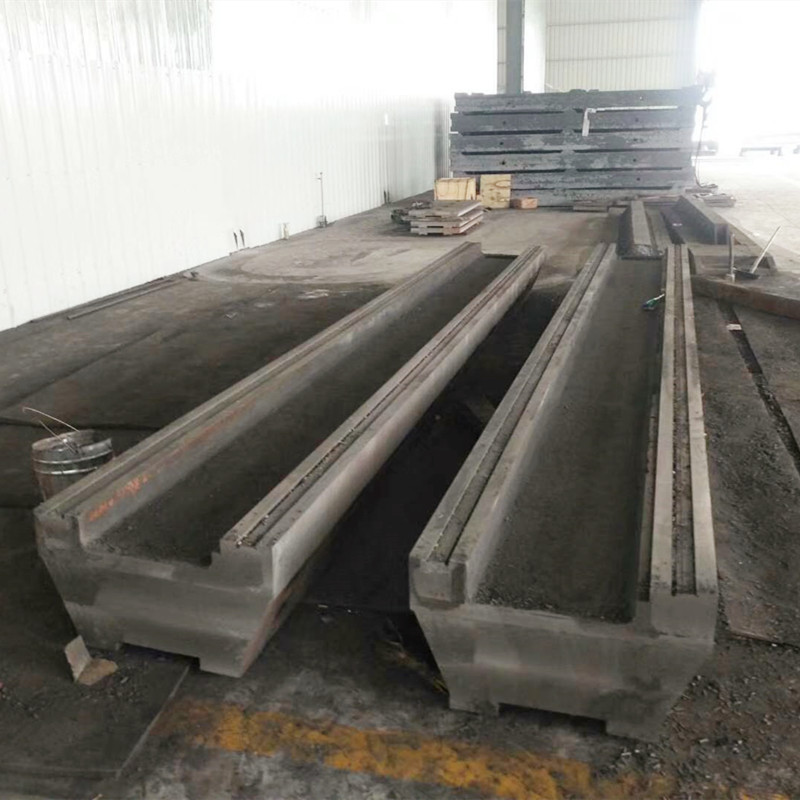
Wood frame joinery solutions for seamless construction and structural support connections
Wood frame connectors are essential components in any wooden structure, providing stability and supp
Vibration Dampening Pads for Industrial Machinery and Equipment in Heavy Applications
Vibration Damping Pads for Heavy Machinery An Essential Component for Performance and Longevity In t
Water Gate Valve Pricing Guide for Affordable Options and Quality Choices
water gate valve price
 English